Supporting Kids Through Holiday Changes

The holiday season often brings excitement, celebrations, and time together as a family — but for many children, it can also feel overwhelming.
Changes in routine, busy environments, and heightened expectations can make it harder for kids to stay regulated and cope with everyday demands.
For children who thrive on predictability, structure, and sensory consistency, the holidays can be particularly challenging. Below are some practical occupational therapy–informed strategies to help support your child through this period.
1. Keep anchors in the day
While routines may shift, children benefit from having predictable anchor points. This might include:
waking up and going to bed at similar times
keeping mealtimes roughly consistent
maintaining familiar morning or bedtime rituals
These anchors help your child’s nervous system feel safe, even when the rest of the day looks different.
2. Plan for sensory load
Holiday environments are often louder, busier, and more visually stimulating.
Think ahead about what your child may find challenging and plan supports such as:
quiet breaks away from noise and crowds
access to headphones, fidgets, or comfort items
limiting back-to-back social events where possible
Reducing sensory load early can help prevent emotional overwhelm later.
3. Support transitions (even the fun ones)
Transitions aren’t just hard when something unpleasant is coming — they can also be difficult when moving away from something enjoyable.
Try:
giving warnings (“5 more minutes, then we’re packing up”)
using visual timers or simple countdowns
allowing extra time so transitions don’t feel rushed
Predictability around transitions supports emotional regulation.

“Behaviour changes during the holidays are often a sign of sensory and emotional overload
— not misbehaviour.”
4. Allow more regulation breaks
During the holidays, children often need more regulation support, not less. Movement breaks, quiet time, or deep pressure input can help reset their nervous system.
Examples include:
jumping, climbing, or outdoor play
time on the floor with a book or favourite toy
cuddles, firm hugs, or compression (if your child seeks this)
These moments aren’t setbacks — they’re protective.
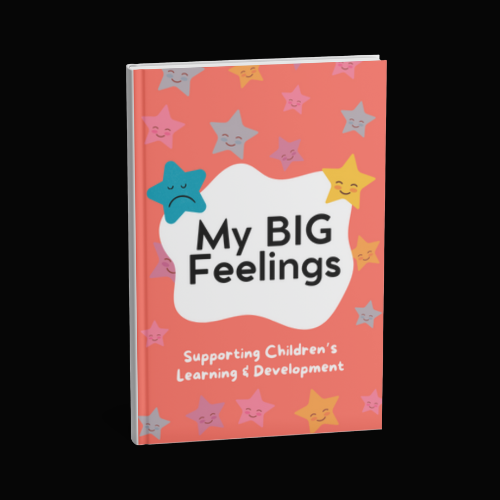
SOCIAL STORY
My Big Feelings teaches children how to recognise, name, and manage their emotions.
5. Adjust expectations
It’s okay if:
your child can’t attend every event
they need to leave early
behaviour looks different than usual
The goal isn’t perfect behaviour — it’s helping your child feel safe, supported, and regulated. Flexibility from adults goes a long way.
6. Prepare for returning to routine
As the holidays wind down, gently reintroducing structure can help ease the transition back to school or therapy routines.
Talking through what’s coming next, using visual schedules, and practising parts of the routine ahead of time can be very helpful.
7. Seek Support When Needed
If the holiday season feels overwhelming for your family, don’t hesitate to reach out to your occupational therapist for guidance. They can offer personalised strategies tailored to your child’s needs.
If the holiday period feels harder than expected, you’re not doing anything wrong.
Many children experience increased dysregulation during times of change, and this is often a sign that their nervous system needs more support — not more discipline.
If you’d like guidance tailored to your child, an occupational therapist can help you understand their sensory and regulation needs and put practical strategies in place.
Wishing you and your family a safe, calm, and happy holiday period.
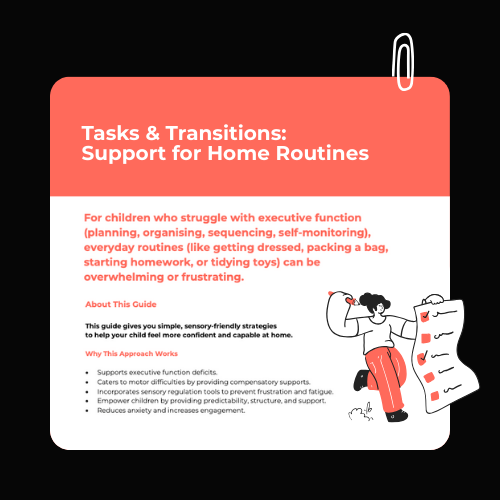
Resource download
This guide gives you simple, sensory-friendly strategies to help your child feel more confident and capable at home.

Related Blogs